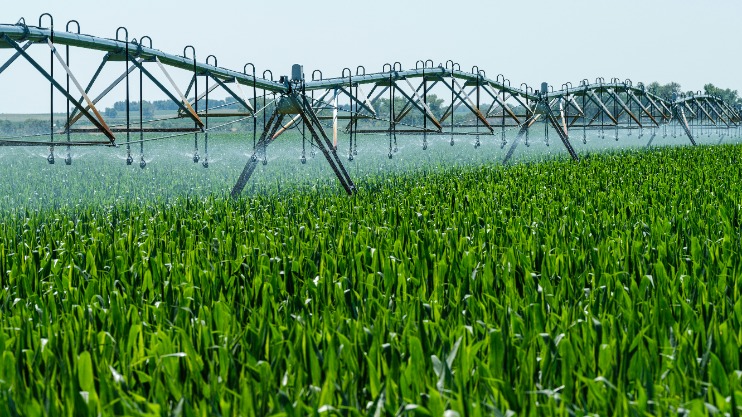
In the ever-evolving landscape of agriculture, technological advancements continue to revolutionize the way farmers approach their craft. One such innovation that has gained significant traction in recent years is precision agriculture. From maximizing crop yields to optimizing resource utilization, precision agriculture offers farmers a myriad of benefits. In this guide, we'll delve into the principles of precision agriculture, its key components, and how farmers can harness its potential to cultivate healthier, more sustainable crops.
Understanding Precision Agriculture At its core, precision agriculture is a farming management concept that utilizes technology to ensure optimal efficiency and productivity in agricultural practices. Unlike traditional farming methods, which often rely on uniform treatments across entire fields, precision agriculture takes a more targeted approach. By leveraging data-driven insights and advanced technologies such as GPS, sensors, drones, and machine learning algorithms, farmers can tailor their farming practices to the specific needs of each individual plant or crop.
Key Components of Precision Agriculture
1.Data Collection: Precision agriculture begins with the collection of accurate and comprehensive data about the farm environment. This includes soil composition, moisture levels, weather patterns, and crop health metrics. Advanced sensors and monitoring devices allow farmers to gather real-time data with precision and accuracy.
2.Data Analysis: Once data is collected, it is analyzed to identify trends, patterns, and areas for improvement. Data analysis tools and software platforms help farmers make informed decisions about crop management strategies, resource allocation, and risk mitigation.
3.Variable Rate Technology (VRT): VRT enables farmers to apply inputs such as water, fertilizers, and pesticides at variable rates across different areas of the field. By tailoring inputs to match the specific needs of each crop or soil type, farmers can optimize resource usage and minimize waste.
4.Remote Sensing: Remote sensing technologies, including satellite imagery and drones, provide farmers with valuable insights into crop health, growth patterns, and environmental conditions. These high-resolution images allow for early detection of pests, diseases, and nutrient deficiencies, enabling timely intervention and mitigation measures.
Benefits of Precision Agriculture
1.Increased Efficiency: Precision agriculture streamlines farming operations, reducing waste and maximizing resource efficiency. By precisely targeting inputs such as water and fertilizers, farmers can achieve higher yields with fewer resources.
2.Improved Crop Quality: By closely monitoring and managing crop health, precision agriculture helps farmers produce higher-quality crops with fewer defects and irregularities. This leads to increased market value and consumer satisfaction.
3.Sustainability: Precision agriculture promotes sustainable farming practices by minimizing environmental impact and reducing chemical usage. By adopting precision techniques, farmers can conserve water, reduce soil erosion, and minimize the use of agrochemicals, contributing to a healthier ecosystem.
4.Cost Savings: While the initial investment in precision agriculture technologies may be significant, the long-term cost savings can be substantial. By optimizing resource usage and reducing input costs, farmers can improve their profitability and long-term sustainability.
Implementing Precision Agriculture on Your Farm
Embarking on the journey of precision agriculture requires careful planning, investment, and a willingness to embrace innovation. Here are some steps to help you get started:
1.Assess Your Needs: Identify the specific challenges and opportunities on your farm that precision agriculture can address. Consider factors such as soil type, crop rotation, and environmental conditions.
2.Invest in Technology: Research and invest in precision agriculture technologies that align with your farm's needs and budget. Start with basic tools such as soil sensors and GPS guidance systems, and gradually expand your toolkit as needed.
3.Data Management: Develop a robust data management strategy to collect, analyze, and utilize farm data effectively. Invest in data analytics software and platforms that can help you make data-driven decisions about crop management and resource allocation.
4.Training and Education: Provide training and education for yourself and your farm team to ensure they have the knowledge and skills to effectively implement precision agriculture practices. Stay updated on the latest advancements and best practices in the field.
5.Monitor and Adapt: Continuously monitor the performance of your precision agriculture systems and be prepared to adapt and refine your strategies as needed. Regularly assess your results and make adjustments to optimize efficiency and productivity.
Conclusion
Precision agriculture holds immense promise for the future of farming, offering farmers the tools and technologies they need to navigate the complexities of modern agriculture with precision and efficiency. By embracing precision agriculture principles and investing in innovative techntologies, farmers can unlock new opportunities for sustainable growth, increased profitability, and healthier crops for generations to come.